


The traditional hiring process is undergoing a revolutionary transformation, powered by advanced artificial intelligence like GPT-4. As companies face increasing pressure to efficiently identify and secure top talent, AI interview assistants are emerging as powerful tools in the modern recruiter’s arsenal.
Revolutionizing the Initial Screening Process
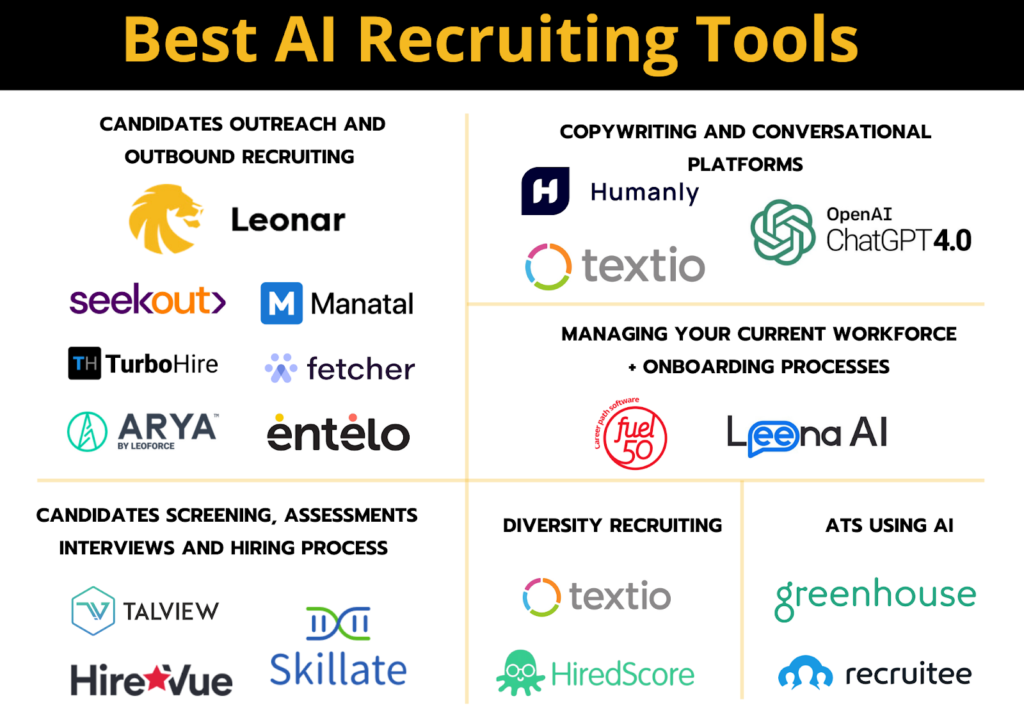
The first point of contact between candidates and employers has traditionally been time-intensive for HR teams. AI interview assistants are streamlining this process by:
- Analyzing resumes and cover letters at scale
- Conducting preliminary candidate assessments through chatbot interfaces
- Scheduling interviews automatically
- Providing instant feedback to candidates
“The efficiency gains are remarkable,” notes Sarah Chen, Head of Talent Acquisition at TechCorp. “What used to take our team weeks can now be accomplished in days, allowing us to focus on meaningful candidate interactions.”

Beyond Basic Screening: AI-Powered Interview Preparation
Modern AI tools are doing more than just filtering applications. They’re helping hiring managers:
- Generate role-specific interview questions
- Create standardized evaluation criteria
- Identify potential skill gaps
- Prepare personalized interview scripts
Reducing Bias in the Hiring Process
One of the most promising aspects of AI interview assistants is their potential to minimize unconscious bias. These systems:
- Use standardized evaluation criteria
- Focus on skills and qualifications rather than demographic factors
- Flag potentially biased language in job descriptions
- Provide consistent candidate experiences
The Human Element Remains Critical
While AI is transforming recruitment, successful organizations recognize that it’s a tool to enhance rather than replace human judgment. Rebecca Torres, an HR consultant, emphasizes: “AI excels at data processing and pattern recognition, but human recruiters bring crucial emotional intelligence and cultural fit assessment to the table.”
Best Practices for Implementation
Companies implementing AI interview assistants should:
- Start with a Clear Strategy
- Identify specific pain points in the current process
- Set measurable objectives
- Choose tools that integrate with existing systems
- Train Your Team
- Provide comprehensive training on AI tools
- Establish clear guidelines for human oversight
- Regular assessment of outcomes
- Maintain Ethical Standards
- Ensure transparency with candidates
- Protect candidate data privacy
- Regular bias audits of AI systems
Looking Ahead: The Future of AI in Recruitment
As language models continue to evolve, we can expect to see:
- More sophisticated candidate-AI interactions
- Better prediction of long-term candidate success
- Enhanced integration with HR management systems
- Improved multilingual capabilities
Conclusion
AI interview assistants represent a significant leap forward in recruitment technology. While they won’t replace human recruiters, they’re proving invaluable in streamlining processes, reducing bias, and improving the overall quality of hires. Companies that successfully balance AI capabilities with human insight will likely see the greatest benefits in their recruitment efforts.
The key to success lies not in wholesale adoption of AI tools, but in thoughtful implementation that enhances rather than diminishes the human elements of recruitment. As these technologies continue to evolve, organizations that strike this balance will be best positioned to attract and retain top talent in an increasingly competitive marketplace.
Maya Patel is a technology and HR solutions writer at HRostrum.com. With a background in Computer Science and 6+ years of experience covering HR tech trends, she specializes in breaking down complex technological innovations for HR professionals. Her work regularly appears in leading HR publications, where she bridges the gap between technical capabilities and practical workplace applications